
'I just don't see it as that severe in you'
The words my previous therapist said to me during a session when I shared my belief that I had ADHD. And in that moment - the pattern repeated. The struggle went unnoticed...I wasn't heard...wasn't believed...cue my need to justify...that familiar feeling of not fitting the mould...even for my therapist! I remembered her comment of, 'You think too much!' at the end of a session (classic trait) and shared this for us to process together. However, her own view of what it meant to have ADHD seemed to get in the way of her connecting with my experience, and I could still see her skepticism.
Mis-attunements can and do happen in the therapy room and supervision offers a space for therapists to work through some of their own 'baggage', so they are fully open to understanding a client's experience. Unfortunately, this didn't happen for me and eventually I ended our therapy together. Having spoken about my experience with others, I've sadly found this isn't uncommon in the therapy room. I have heard many accounts of neurodivergent individuals (whether they have a diagnosis or not) being invalidated by interactions with their therapist. A typical example given was that when they jumped between topics or went off at a tangent in their conversation, their therapist labelled this as 'avoidance', rather than also considering the part that neurobiology could be playing. Both could be possibilities, but not having a basic awareness or curiosity around how neurodivergence shows up in the therapy room can be damaging for clients. There's a danger of therapists projecting their unprocessed assumptions onto their clients.
However, I'd had a lifetime of masking, working really bloody hard to the point of perfectionism, getting good grades and 'achieving' so no one had noticed the internal burden of my different processing and sensory needs that took a real hit to keep this up. I used to come home from secondary school and every day I would need a nap at 6pm to be able to keep going with my studying later on. I was a 'fussy eater' and changed my hobbies like the weather-as soon as I'd mastered something, it got boring and I started on my next new venture. I became a teacher in my 20's and experienced my first period of burnout after 5 years of relentless working. Even then, I didn't cotton on to my potential neurodivergence and blamed myself for not managing my workload properly. I did supply for a few months but quickly missed the classroom and the children, so became a teacher in a different school. This carried on for a good while...climbing the leadership ladder, being meticulously organised and getting my dopamine hits from new roles, whilst hitting exhaustion during half terms. Motherhood brought new awareness, especially of my sensory needs, but it was starting my psychotherapy training and the personal therapy that it required, that led me to look more closely at myself and my experiences. I finally got my ADHD diagnosis at 43 years old and started to grieve for my younger self, who was so misunderstood, not just by others, but by myself.
As therapists, this is why it matters to stay informed and be ready to do our own work (not just expect that from the client). If we're feeling some resistance to go where a client is taking us, it's important we check out what we're personally holding around this. In fact, if my therapist had been curious about the process playing out between us, she may have discovered that this was a familiar pattern for me (not having my neurodivergence noticed), so unsurprisingly, it was showing up in the therapy room too. How healing it could have been for her to say, 'Wow, and I've done it too...I haven't noticed your needs either.' That would have brought so much validation and connection, and would have deepened our relationship. Ruptures in therapy will happen but the repair can be a place where our souls truly meet, if we're brave enough to go there.
For this reason, I'm writing this blog to give a message to the fellow neurodivergent brains out there, particularly those who are seeking therapy. You may have spent a lifetime of feeling slightly different, or feeling exhausted from trying to fit societal rules and expectations. It may be a late realisation or you may be experiencing burnout or overwhelm, and are trying to understand yourself and whether a diagnosis would be helpful. Wherever you find yourself, I'd like to validate something for you. I'd like to acknowledge the energy it takes-and burden it places on your nervous system-to continually adapt in a world built largely for neurotypical brains. You may be experiencing self-doubt or a critical voice that says 'you're not doing it right' or 'there's something wrong with you', when in fact it is our systems in society that need to change and are not good enough yet.
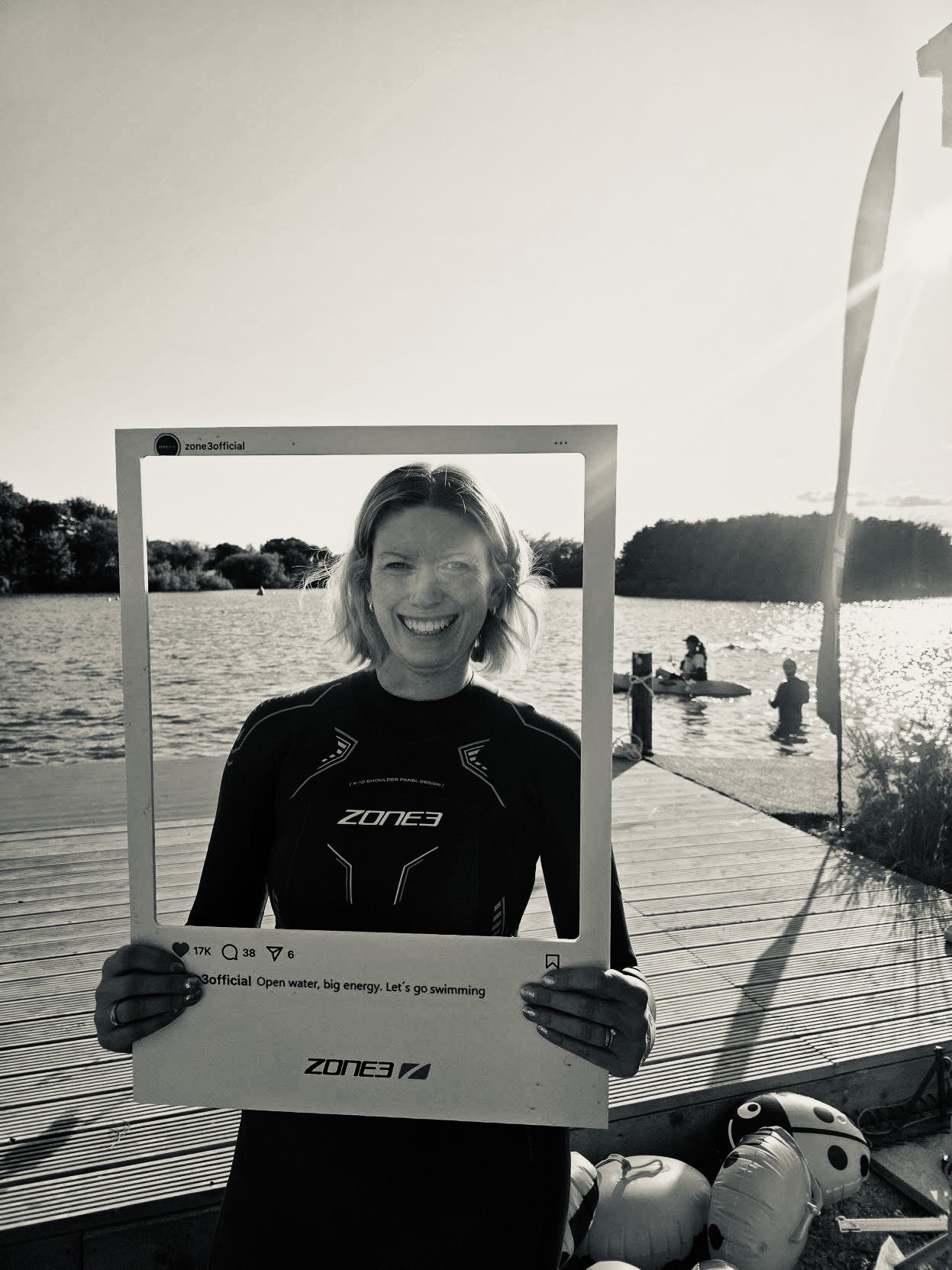
If you have spent most of life not having your neurodivergent needs met or acknowledged in work places, at school and in relationships, it's absolutely vital that your experiences are recognised in the therapy room. I have used therapy as a place to find out about my needs and have learnt to trust myself and my experiences. It has shaped how I live my life, what I will put up with and what is a hard no -or even a 'fuck no'- when it comes to work practices, friendships, social occasions and all sorts of other aspects of life. Learning the ultimate power of the word 'no' has been especially important for me and protects my peace. I am much more aware of what masking looks like for me, and can feel in my body if my nervous system needs a break or some decompression time. Outdoor swimming has been a game changer for me, alongside quiet time in nature by myself, or time with people who 'get it' and re-charge my soul.
As a therapist, I hold high expectations of what it means to work ethically and I considered whether it was professional to share my experience as a client in the therapy room. However, I'm human first and foremost and reflected on the idea that neurodivergent people have been conditioned to hold the shame of failing systems and ignorant perspectives for years. I stand by my belief that my previous therapist had some reflection and learning to do around neurodivergence, AND I recognise that there will be times when my blindspots require me to do some more work too.
Hopefully, this blog also normalises our human-ness-we can't possibly know everything about every subject. But we can acknowledge our impact, find ways to repair and stay open to learning more in service of our clients, and our own growth. And frankly, if we're unwilling to reflect on ourselves or can't tolerate honest feedback, we probably shouldn't be sitting in the therapy chair! Our clients deserve to sit alongside someone who is willing to reflect on themselves just as deeply as they invite clients to. Taking responsibility when we get it wrong can be a profoundly reparative experience for any client, and may be a rare occurrence outside the therapy room too.
Finally, neurodivergent-affirming therapy isn't about assuming every behaviour is explained by neurodivergence. It's about holding genuine curiosity long enough not to mistake neurobiology for pathology, and asking, 'What else might be happening here?'. Fortunately, I've also met many therapists who are committed to learning and listening more, and trust their clients' inner wisdom and what they know about themselves. For those interested in reading more, here are a few book recommendations linked to this topic:
-Neurodivergent Affirming Therapy by Amy Peters.
-Unmasking Autism by Devon Price.
-Different, Not Less by Chloe Hayden.
-How not to fit in by Jess Joy & Charlotte Mia.
-This Book will Change Your Mind about Mental Health by Nathan Filer.
If this has resonated, feel free to get in touch. Let's keep empowering and educating one another, and fostering connection and belonging - in our circles and our hearts.
Therapists: How do you ensure you're adapting to your neurodivergent clients' needs, rather than expecting them to adapt to therapy?
Clients: How has your therapist helped you feel accepted and validated as a neurodivergent person?